Caravaggios hidden in trusts. Properties in Kenya. A New York gallery. A billion euros in old masters that, prosecutors said, the taxman was never meant to see. For more than a century the Wildensteins ruled the art world in near-total secrecy, until a widow, a divorce and a French courtroom pulled back the velvet curtain.
The most secretive dynasty in art
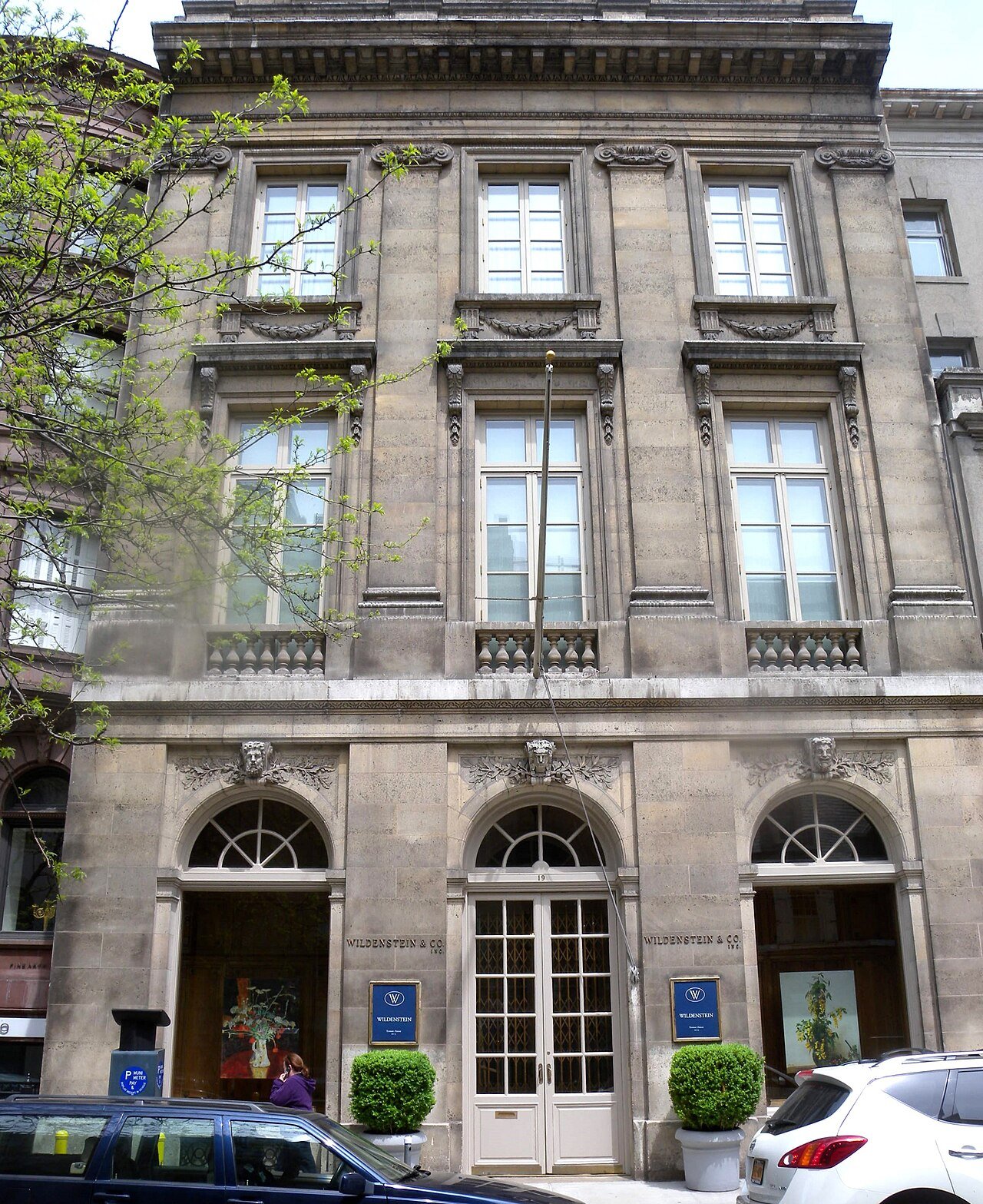
Guy Wildenstein is the president of Wildenstein & Co. in New York and patriarch of one of the art trade’s most established dealing dynasties, The Art Newspaper reported. The family’s estate, including properties in Kenya and New York and paintings valued at €1 billion by artists including Bonnard, Fragonard and Caravaggio, sat at the heart of the case, the paper reported.
The widow who started it all
The story turned on two deaths: Guy’s father, Daniel Wildenstein, in 2001, and his brother, Alec Wildenstein Sr, in 2008. Daniel’s widow, Sylvia, said her stepsons had misled her into renouncing her inheritance rights, and French courts later confirmed her status as an heir, The New York Times reported.
The family had already lived one of the most famous divorces in New York society. Alec Sr’s split from socialite Jocelyne Wildenstein was finalised in 1999, with reports of a $2.5 billion settlement, CNN recalled when she died at the end of 2024.
Two acquittals, then a twist
Prosecutors accused Guy, his nephew Alec Wildenstein Jr and Alec Sr’s widow, Liouba Stoupakova, of hiding assets in a “rabbit warren” of trusts and shell companies, Artforum reported. They were acquitted in 2017 and again on appeal in 2018. Then in 2021, France’s top court annulled the acquittal and ordered a retrial, Artforum reported.
France’s financial prosecutor’s office called it “the most sophisticated and longest tax fraud of the Fifth Republic,” Actu-Juridique reported.
The verdict: “The powerful cannot escape the law”
On 5 March 2024, the Paris Court of Appeal found Guy Wildenstein guilty of tax fraud and money laundering. He was sentenced to four years, half suspended and the other half to be served at home with an electronic tag, fined €1 million, had more than €3.4 million in assets seized and was ordered to pay all back taxes, The New York Times reported. Alec Jr received a two-year suspended sentence and a €37,500 fine, and Stoupakova a three-month suspended sentence for complicity in money laundering, The Art Newspaper reported.
The verdict is a reminder that “the powerful cannot escape the law,” the presiding judge said, Challenges reported. Challenges also noted that Guy could still take the case to France’s top court.
Trusts in the spotlight
The Wildenstein saga is part of a global reckoning for dynastic trusts. See how China collected $24 billion in offshore trust taxes, how Australia set a 30% floor on family trust payouts, and how Hungary’s new wealth tax targets family offices.
FAQ
What was Guy Wildenstein convicted of? Tax fraud and money laundering, by the Paris Court of Appeal in March 2024, per The New York Times.
What was hidden? Assets including paintings valued at €1 billion, held in trusts, per The Art Newspaper.
Had he been acquitted before? Yes, in 2017 and 2018, before France’s top court ordered a retrial in 2021, per Artforum.
You may also like
- WikiGlobalPedia: Velvet Scandals: The Gucci Family Scandal That Ended a Dynasty.
- WikiGlobalPedia: The Murdoch Succession: How a Family Trust Became a War for an Empire.
Take it from us
The Wildensteins built a legend on discretion: masterpieces bought quietly, sold quietly, kept quietly. What they could not keep quiet was the family itself. For any dynasty, the lesson glitters like gilt: the trust deed is only as strong as the family that signs it.
Partner with Richiegaps Media. Place your brand alongside the titles that tell the story of star power, wealth and luxury. See the partnerships.